
Why financial literacy may become part of child digital safety
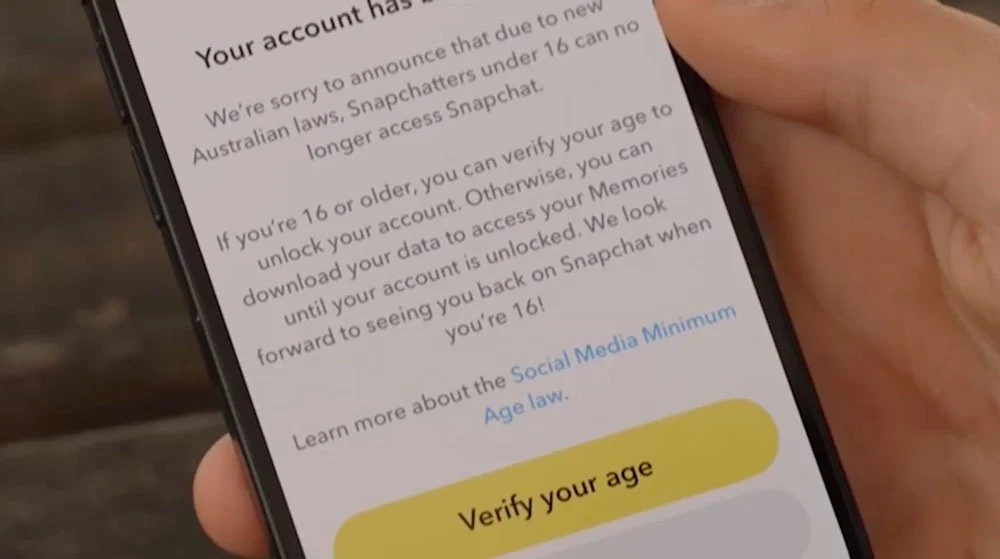
Source: Mediacore
Governments are starting to intervene
Governments around the world are facing growing pressure to respond to concerns about the impact social media and digital platforms are having on children and teenagers.
Australia has already moved to restrict social media access for younger users. Canada, Spain, Britain and several European countries are pursuing similar discussions around age restrictions, addictive design features and stronger platform accountability. Lawmakers are increasingly being forced to confront a difficult question: what responsibility do governments, schools, communities and technology companies have to protect children growing up inside highly commercialized digital environments?
That represents a significant shift from the early years of social media, when digital platforms were largely promoted as tools for connection, creativity and education. Today, many of the world’s largest platforms operate as sophisticated commercial ecosystems built around engagement, advertising, behavioral data and monetization. Concerns around addictive design, data collection, online exploitation, algorithmic influence and youth mental health have pushed child digital safety much closer to the centre of public debate.
The issue may be asymmetry
Recent debates involving Meta, Roblox, TikTok and other platforms increasingly focus on age verification failures, data collection practices, monetization systems aimed at younger users and concerns around addictive platform design. The broader issue extends beyond inappropriate content or excessive device use. Researchers, lawmakers and child safety advocates are increasingly questioning whether children are equipped to navigate digital environments heavily shaped by behavioural science, algorithmic recommendation systems and AI-driven engagement models.
Concerns around social media and youth digital life now extend far beyond screen time debates. Lawmakers, educators and parents increasingly worry about online exploitation, mental health pressures, algorithmic manipulation, financial scams, exposure to harmful content and, in some cases, the role online environments may play in harassment, radicalization and real-world violence involving young people.
The issue may not simply be access to technology, but asymmetry. An imbalance between children and the sophisticated systems designed to capture their attention, influence behavior and encourage engagement. Children and teenagers are interacting with some of the most advanced commercial systems ever built, while often lacking the experience or maturity to fully understand how those systems shape behavior, collect data and encourage spending.
Governments are responding because existing safeguards increasingly appear inadequate. But governments have not ignored these issues entirely. The United States introduced the Children’s Online Privacy Protection Act (COPPA) decades ago to regulate how online services collect data from children. Canada has pursued its own online harms and child digital safety initiatives through proposed legislation and regulatory efforts, while Europe introduced stronger digital privacy frameworks through GDPR and more recent online safety initiatives.
Many of these laws, however, were designed for an earlier internet focused primarily on websites, advertising and basic data collection. Today’s digital environment is increasingly shaped by algorithmic feeds, AI-driven recommendation systems, influencer economies and engagement models built to maximize attention and interaction. Technology, monetization strategies and AI capabilities are now evolving faster than regulatory systems can realistically keep pace with.
The line between digital literacy and financial literacy is disappearing
Many of today’s digital risks already carry financial consequences. Scams, identity theft, account takeovers, in-app purchasing systems, gambling-style mechanics, influencer marketing, synthetic fraud and AI-generated deception increasingly intersect with how young people experience digital life.
Young people are learning about money inside commercialized digital ecosystems where advertising, entertainment, status, identity and spending overlap continuously. Understanding money today increasingly means understanding persuasion, manipulation and how algorithms shape attention and behaviour.
Professor Scott Galloway recently argued that societies already place age restrictions around products such as alcohol, gambling and tobacco, yet often allow unrestricted access to digital products specifically engineered to maximize engagement among children. Whether you agree with that comparison or not, the point is difficult to ignore. Digital systems increasingly influence behavior, emotional wellbeing and financial decision-making at a scale few people anticipated when social media first emerged.
What do Canadian kids and teens think about age restrictions on social media?

Source: CBC
Financial education as community infrastructure
The challenge facing communities is not simply technological. It is educational. Schools are already under pressure. Parents are often overwhelmed by how quickly technology evolves. Governments can regulate, but regulation typically arrives after harms become visible. Technology companies, meanwhile, operate under commercial incentives that do not always align neatly with child wellbeing.
This leaves an important role for trusted community institutions. Financial education may not solve every digital risk facing young people, but it remains one of the few scalable local interventions capable of helping students better understand the relationship between money, data, advertising, influence and online manipulation.
That matters because the next generation is entering a world where money is increasingly digital, advertising is increasingly personalized, persuasion is increasingly automated and AI-generated content is becoming increasingly difficult to distinguish from reality. Traditional definitions of financial literacy may no longer be broad enough for the environment young people are now growing up in.
Financial literacy increasingly includes fraud awareness, digital skepticism, privacy awareness, understanding manipulation, recognizing emotional spending triggers and protecting personal identity. These are becoming foundational life skills for young people navigating highly commercialized digital environments.
A natural role for credit unions
Credit unions are not technology companies and they are not regulators. But they are fiduciaries and custodians of their members’ financial lives. For generations, many credit unions have positioned themselves as trusted local institutions focused on education, community support and long-term financial wellbeing.
For credit unions, this represents more than a marketing opportunity. It represents a chance to reinforce their broader purpose within the communities they serve. Financial education programs delivered through schools and communities can support educators, support families, improve fraud awareness, strengthen community relationships and help young people build healthier long-term financial behaviors.
These efforts also position credit unions as institutions willing to invest in long-term community resilience rather than short-term member acquisition alone. As digital systems become more sophisticated and synthetic content becomes more common, communities will increasingly need institutions capable of helping people navigate complexity safely and responsibly.
Credit unions cannot solve every challenge created by the modern digital economy. But they are among the few institutions already trusted with people’s financial lives. That gives them both an opportunity and, arguably, a responsibility to help the next generation better understand the increasingly complicated relationship between money, technology, influence and manipulation.
The future of financial literacy may not simply involve teaching young people how to manage money. It may increasingly involve helping them navigate the systems competing for their attention, data, trust and financial behavior every day.

Our It's a Money Thing financial education program is used by more than 100 credit unions to help young people build confidence and capability with money.
